nlfrende

Hoya - Yuniku

Hoya - Yuniku

EN PRATIQUE

Les yeux du client font l'objet de mesures minutieuses par les techniques de scannage les plus avancées de Materialise. Chaque écart ou asymétrie est traduit dans un fichier électronique de la monture et ensuite reproduit à chaque fois par impression 3D, dans la couleur et avec les finitions de son choix.
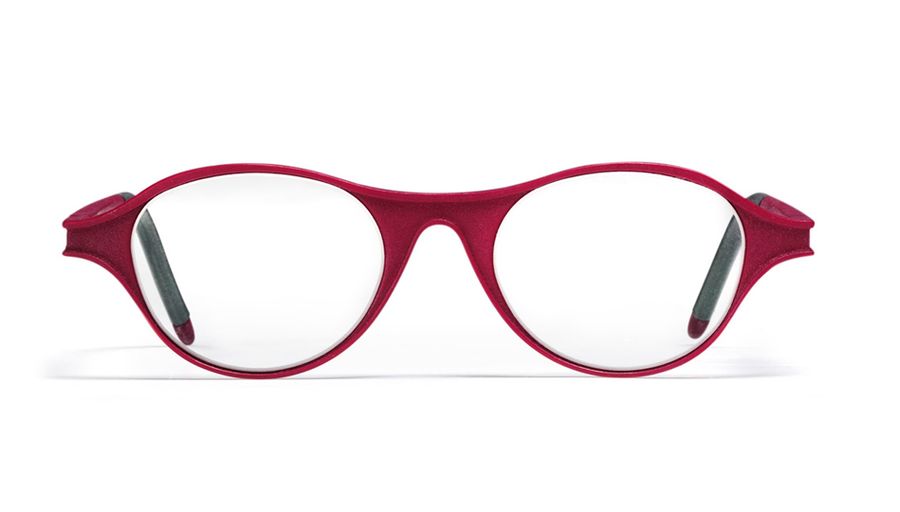
La collection compte une douzaine de modèles de base en 9 couleurs, avec la touche HOET reconnaissable et une forme conceptuelle unique.
Le fichier personnel du client permet de positionner parfaitement les verres vis-à-vis du visage. Le résultat : des verres aux performances et au confort visuel optimisés.
L'opticien qui utilise le logiciel conseille le verre HOYA le mieux adapté et le plus avancé, en s'appuyant sur les données obtenues.
Verres et monture forment un duo inséparable.
Hoya - Yuniku

Technology

This concept would not have been possible if not for the intervention of 3D-print technology: A technology that has no competitor and has been inspiring Hoet for a long time. In 2013, Hoet became the first and only one on the market to sell tailor-made 3D-printed eyewear.
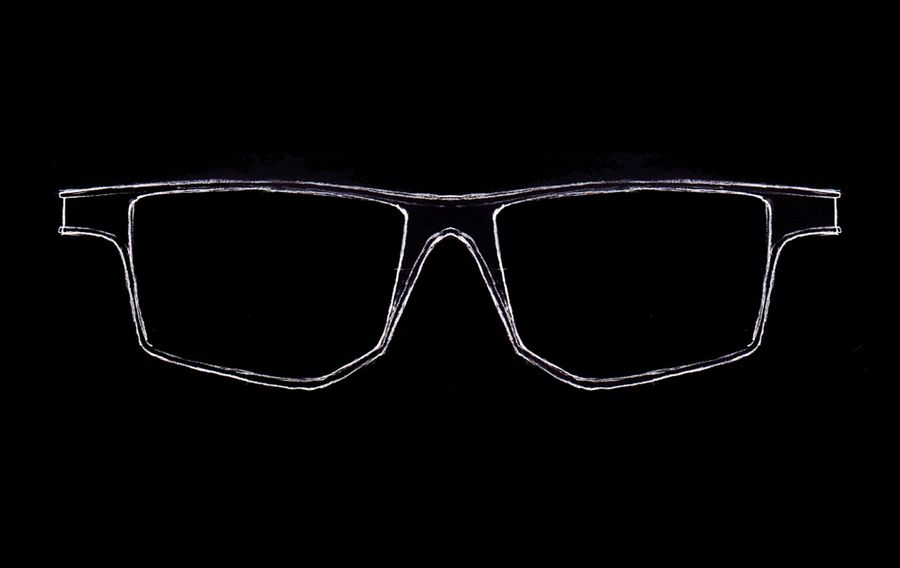
After a thorough study of facial anatomy in which 1,000 head scans were examined — and with the necessary experience in design, retail and wholesale — Hoet took the designing of the eyeglasses upon itself, taking into account the parameters for scaling and the maximum and minimum values. Hoet also advised about the presentation of the eyewear and the workflow within the software, contributing tremendously to the brand identity of Yuniku.

To design unique eyewear, one requires thorough knowledge of materials and technology. A unique eyewear concept is born by taking optimal advantage of both material and technology and by turning its disadvantages into an advantage.

Based on Hoet’s experience and expertise of these issues, the first Yuniku eyewear was designed for HOYA.

Technology

Product innovation

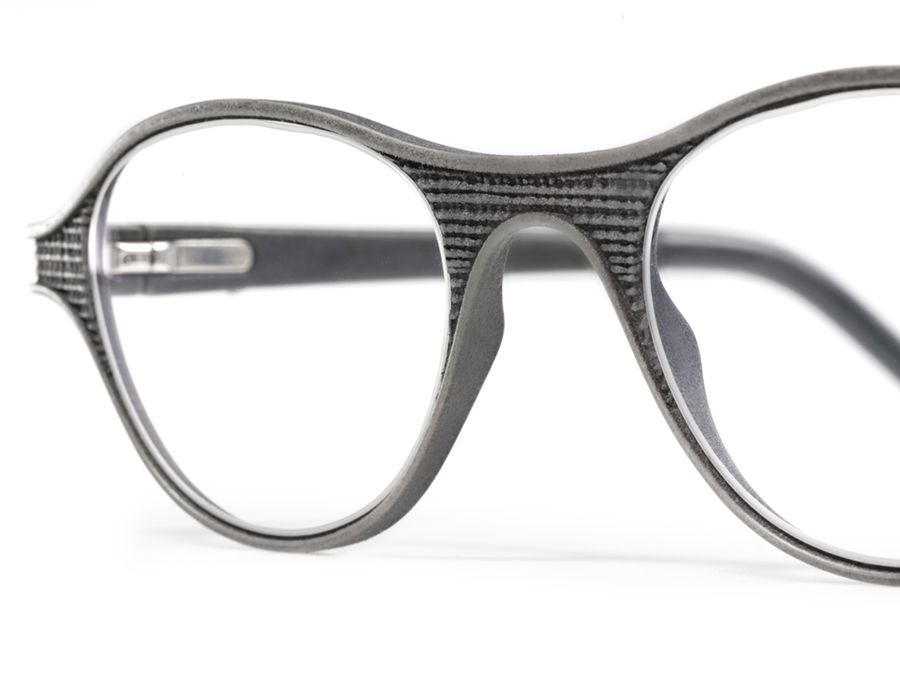
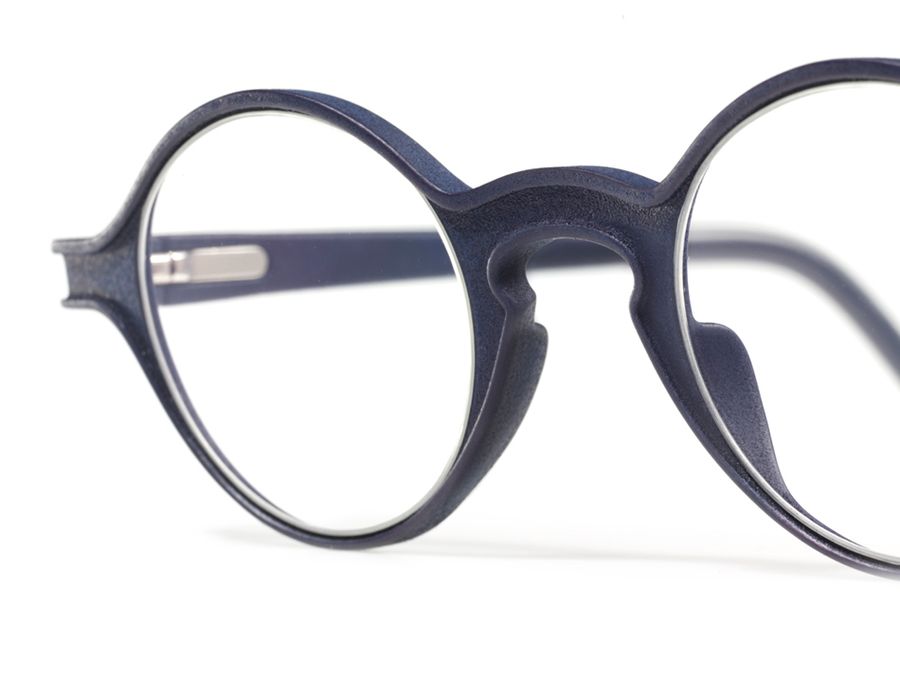
The flexible and tough characteristics of polyamide / nylon were used to obtain the thinnest form possible for this product. The upright edge for keeping the lenses in place is printed into the eyeglasses. That way, the eyeglasses were actually built around the lenses and materials were added to reinforce the stability of the eyewear.
It is also the first 3D-printed eyewear with Nylor assembly and appeared to be the most suitable solution for this completely new concept.
Weighing only 14 grams, this 3D-printed eyewear is one of the lightest of its kind.
An ingenious system for adjusting the temples was further elaborated and integrated into the eyeglasses.

Product innovation

After research, specific input and experience from three parties (Hoet, Hoya and Materialise), a unique business model is reached with an eye on the future:

tailored-made eyewear and lenses offered in a single package.

The Yuniku concept is fully integrated, ensuring seamless customisation, production and delivery. Customers are involved throughout, offering maximum opportunity to interact and create their own unique eyewear.

And as with Hoet Couture, a 3D printed collection in titanium, the production of the Yuniku eyewear will also start only after the initial sales. This will drastically reduce the investment in stock.

With a long tradition in optics, Hoet’s motivation is to contribute to a better world with regard to the distributor, optician and consumer.

Contact us